
Luxembourg is a country of about 650,000 people. It has no coastline, no major river port, and sits landlocked between Belgium, France, and Germany. On paper, it seems an unlikely place for a global air cargo hub.
Yet Cargolux, headquartered at Luxembourg Airport, became one of the world’s leading all-cargo airlines. The apparent contradiction reveals something important about how logistics networks actually work.
Geography is not about size
Luxembourg sits at the centre of Western Europe’s industrial heartland. Within a day’s truck drive, you reach the manufacturing clusters of the Ruhr, the automotive plants of Bavaria and Alsace, the chemical industries of Basel, and the consumer markets of Paris and Amsterdam.
For air cargo, this positioning matters enormously. Most shipments do not originate or terminate at airports. They are trucked to and from facilities that may be hundreds of kilometres away. An airport that is central to the trucking network can serve a far larger catchment than its local population would suggest.
I saw this clearly during my years at Cargolux. Goods bound for Munich might fly through Luxembourg because the combination of flight schedule and truck connection was faster than routing through Frankfurt or Munich itself. The network effect compounds: more connections attract more freight, which justifies more connections.
Operational efficiency at smaller airports
Large hub airports come with large hub problems. Congestion, slot constraints, complicated ground procedures, and the competing demands of passenger traffic. At Frankfurt or Amsterdam, a cargo flight is one among hundreds of movements. At Luxembourg, cargo is the primary focus.
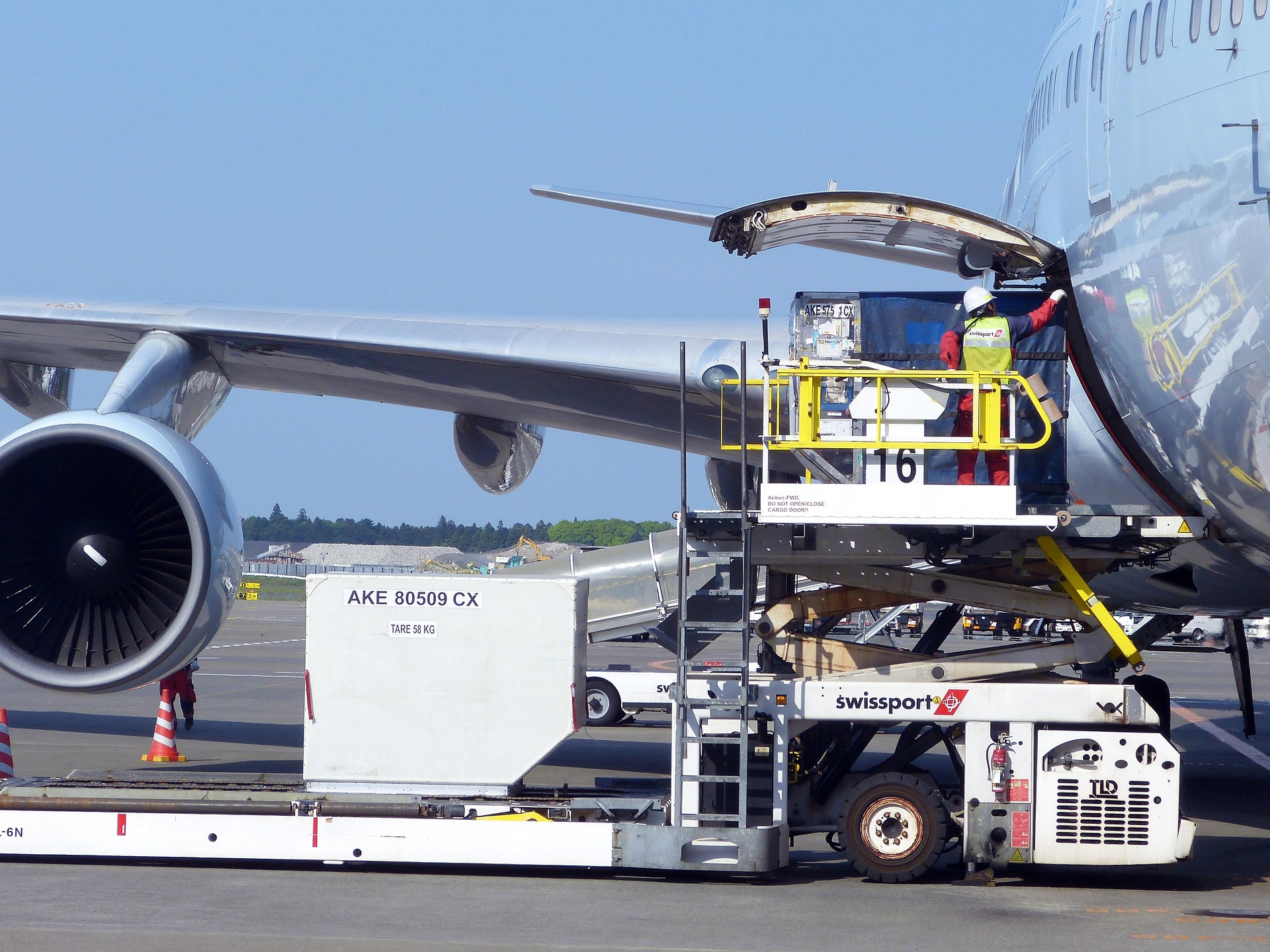
This matters for turnaround times. A freighter that can unload, refuel, and reload in 90 minutes generates more revenue than one that sits on the ramp for four hours waiting for a slot. Luxembourg’s airport infrastructure was built around cargo operations, with handling facilities designed for speed.
The regulatory environment helps too. Luxembourg authorities understand that the cargo business operates on tight margins and tight timelines. Customs clearance is efficient. Night operations are permitted within reasonable limits. The relationship between airline and government is collaborative rather than adversarial.
Pro-business without being a tax haven
Luxembourg’s reputation as a financial centre sometimes overshadows its strengths in logistics. But the same characteristics that attract financial services also benefit cargo operations: political stability, multilingual workforce, straightforward company formation, and predictable regulation.
Cargolux was partly owned by the Luxembourg state during my tenure. This was not interference. It was alignment. The government understood that a successful cargo airline brought employment, economic activity, and international visibility that far exceeded the airline’s direct financial contribution.
This kind of strategic alignment is rare. In many countries, aviation policy is driven by consumer-facing passenger airlines, with cargo as an afterthought. In Luxembourg, cargo was always central to the conversation.
The Cargolux model
What made Cargolux distinctive was not just its location but its operating philosophy. The airline focused on what it could do better than larger competitors: reliable service, specialised handling capabilities, and genuine partnership with customers.
Pharmaceutical logistics became a particular strength. The infrastructure, processes, and certifications required to move temperature-sensitive medicine are demanding. Once you have them, they represent a barrier that competitors cannot easily cross.
The same applied to aerospace components, live animals, and other commodities that require expertise beyond simply loading boxes onto a plane. Differentiation came through capability, not just price.
Why it worked
Looking back, Luxembourg’s success as a cargo hub came from the combination of several factors that are difficult to replicate: central geography, operational focus, supportive regulation, and an airline with the right strategy for the market.
Other European hubs have tried to capture similar advantages. Liège, just across the Belgian border, has built a significant e-commerce position. Leipzig has become a major integrator hub. But Luxembourg demonstrated the model first, and in air cargo, early position often proves durable.
For anyone interested in how logistics networks develop, Luxembourg offers a case study worth examining closely.
Leave a Reply
You must be logged in to post a comment.